ibn sultan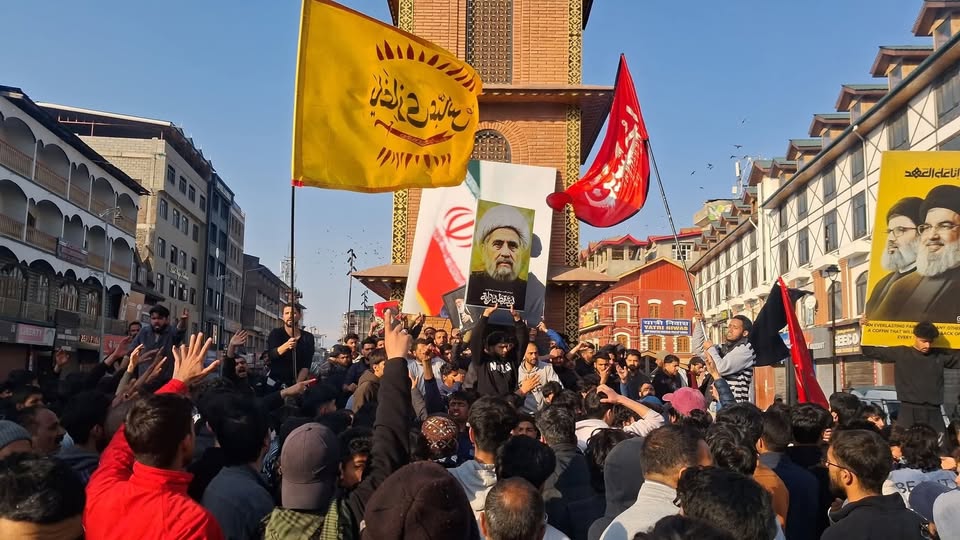
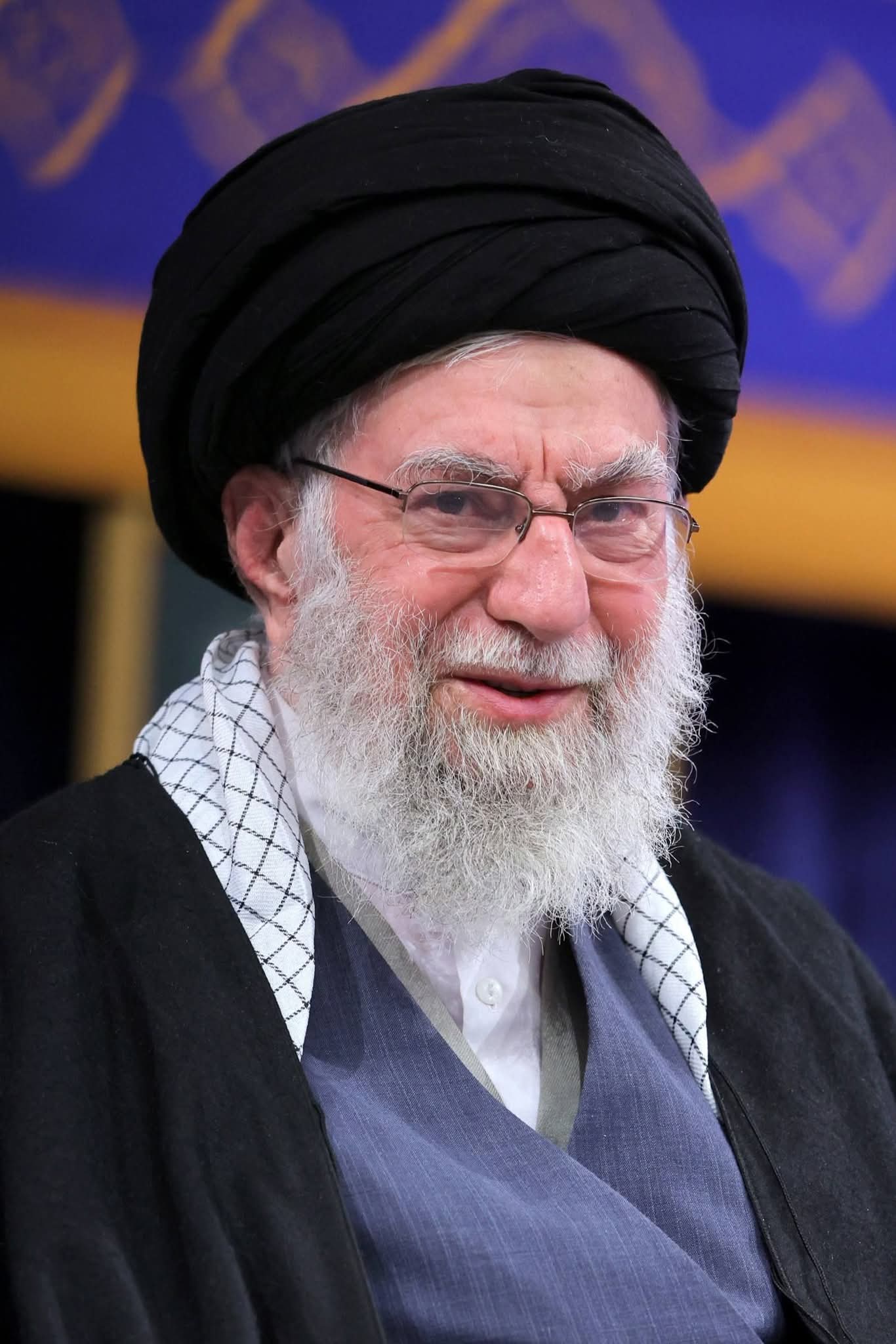
Srinagar, Mar 1: Massive protests were reported in several parts of Jammu and Kashmir on Sunday following confirmation of the death of Iran’s Supreme Leader Ayatollah Ali Khamenei after joint United States-Israel military strikes on Iran, officials and eyewitnesses said.
Hundreds of demonstrators took to the streets in Srinagar, Pattan, Gund Kangan, Budgam and other Shia-dominated areas, waving black flags, carrying portraits of the Iranian leader and chanting slogans. Many expressed grief and solidarity with Iran’s people while condemning the reported strike by foreign forces.
Locals said the protests in most places remained peaceful throughout Sunday as mourners marched through main thoroughfares. Community leaders in Srinagar and central Kashmir appealed for calm even as hundreds gathered to voice their anguish over the developments in West Asia.
However, in a few areas including parts of Srinagar, some young protesters briefly removed temporary barricades erected by police to regulate movement and prevent disruption. Officials said the situation was brought under control quickly, and there were no major reports of violence or serious injuries. Security forces maintained heightened vigilance across the Valley to ensure public order during the demonstrations.
Protesters in Pattan and Gund Kangan marched peacefully with posters and placards denouncing the United States and Israel, and calling for justice for what they described as an attack on a revered religious figure. Demonstrators also expressed concern about wider implications of the strikes for regional stability and Muslim-majority countries.
The demonstrations in Kashmir reflect deep emotional ties within the local Shia community to developments in Iran, where state authorities have announced a period of national mourning following the death of their supreme leader.
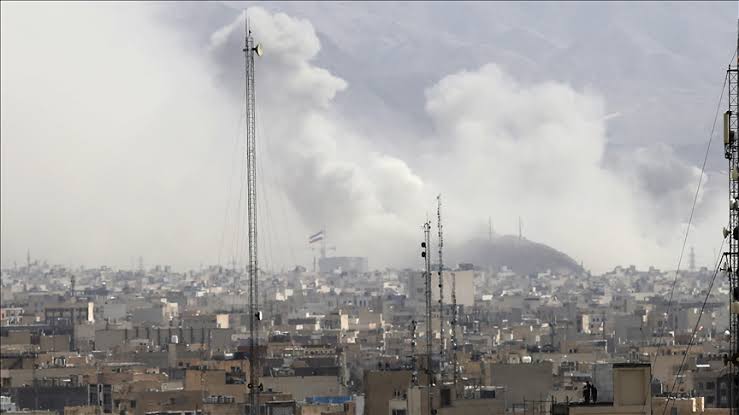
Iranian state media confirmed that Ayatollah Ali Khamenei, 86, was killed after coordinated military strikes by United States and Israeli forces on Iranian soil, which began on February 28, 2026. The government in Tehran declared a 40-day national mourning period and described Khamenei’s death as martyrdom.
Khamenei had led Iran as its highest religious and political authority since 1989, shaping its foreign and domestic policies for more than three decades. His death marks a turning point in the Middle East geopolitical landscape and has triggered uncertainty over Iran’s future leadership and regional strategy.
The joint operation has also resulted in significant casualties among Iran’s leadership and prompted retaliatory strikes by Iranian forces, raising concerns of a broader escalation across the region. [KNT]