ibn sultan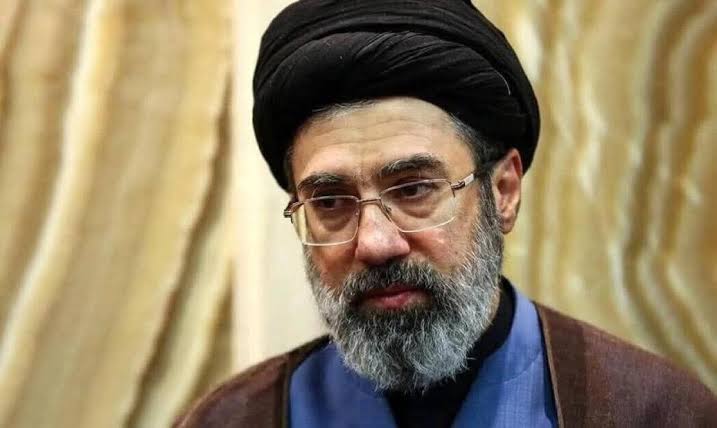
Tehran, March 9, 2026: Iran’s powerful clerical body, the , has elected as the third Supreme Leader of the Islamic Republic of Iran, marking a major political and religious transition in the country.
The decision was announced in an official statement issued by the Assembly of Experts following an emergency meeting held in Tehran. According to the statement, the appointment came after “careful and extensive deliberations” among the members of the body, which is constitutionally responsible for selecting the country’s highest authority.
Leadership Change After Assassination
Mojtaba Khamenei succeeds his father, , who had served as Iran’s Supreme Leader since 1989. Iranian officials say Ali Khamenei was assassinated on February 28, 2026, in an attack they blame on the and . The incident triggered a wave of mourning in Iran and heightened tensions across the region.
Decision by the Assembly of Experts
In its statement, the Assembly of Experts said the selection was made under the powers granted by Article 108 of Iran’s Constitution, which authorizes the body to appoint the Supreme Leader.
The statement read that “by the decisive vote of the honorable members of the Assembly of Experts, Ayatollah Seyyed Mojtaba Hosseini Khamenei was appointed and introduced as the third Leader of the Islamic Republic of Iran.”
The clerical council also prayed for “the continued grace and favor of Almighty God upon this country and its great people,” emphasizing unity and stability during a sensitive period.
Who is Mojtaba Khamenei?
Ayatollah Mojtaba Khamenei is a senior cleric who has long been considered an influential figure within Iran’s religious and political establishment. He is the second son of Ali Khamenei and has studied Islamic jurisprudence in the seminaries of Qom, one of the most important centers of Shiite scholarship.
Although he previously held no formal state position, Mojtaba Khamenei has been regarded by analysts as a key figure with close ties to Iran’s religious institutions and security establishment.
Significance of the Appointment
His election marks the third leadership transition since the 1979 Islamic Revolution, following , the founder of the Islamic Republic, and Ali Khamenei.
Political observers say the appointment could shape Iran’s domestic politics, foreign policy, and relations with regional and global powers in the coming years.
The Iranian leadership has called for national unity as the country enters a new phase following the leadership change. Further statements from government officials and international reactions are expected in the coming days.