ibn sultan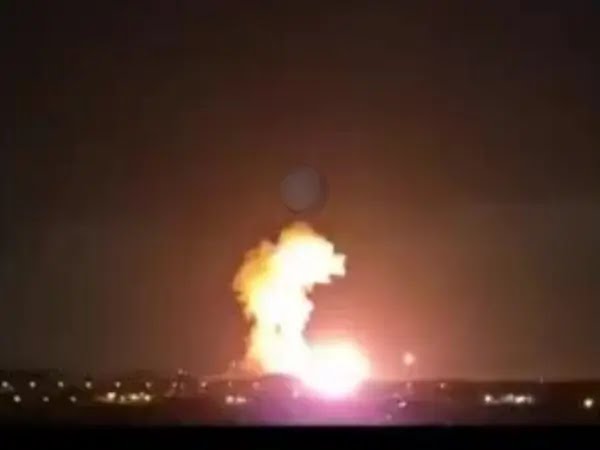
Isfahan, March 31: A series of powerful explosions rocked the Iranian city of Isfahan early Tuesday morning, with reports suggesting the blasts were triggered by joint U.S.–Israeli airstrikes targeting a major ammunition depot. The incident has heightened tensions across the region amid growing fears of escalation.
According to international media reports, the strike involved the use of 2,000-pound bunker-buster bombs, designed to penetrate underground military facilities before detonating. The initial blast is believed to have triggered multiple secondary explosions, sending shockwaves across the city and lighting up the sky with large fireballs.
U.S. President Donald Trump shared a video on social media showing massive explosions and flames turning the night sky orange. However, the footage remains unverified, and Trump did not specify the exact location where it was recorded.
Isfahan, home to approximately 2.3 million people, hosts several strategic military installations, including the Badr airbase, making it a significant target in any military confrontation.
Reports of Enriched Uranium Storage
Unconfirmed reports suggest that Iran may have transferred around 540 kilograms of highly enriched uranium to an underground facility in the Isfahan region. The possibility of such stockpiles being present in the targeted area has raised concerns about the broader implications of the strike.
Earlier reports indicated that U.S. officials were considering military options to secure or neutralize Iran’s nuclear materials. Any such operation could potentially involve ground forces, raising the risk of a prolonged conflict.
Rising Regional Tensions
The United States and Israel have long accused Iran of advancing towards nuclear weapons capability, though these claims have not been confirmed by the UN nuclear watchdog. Tehran has repeatedly denied pursuing nuclear weapons, maintaining that its nuclear program is for peaceful purposes.
The situation remains fluid, with analysts warning that further military action could destabilize the already volatile Middle East and threaten key global oil routes, including the Strait of Hormuz.