ibn sultan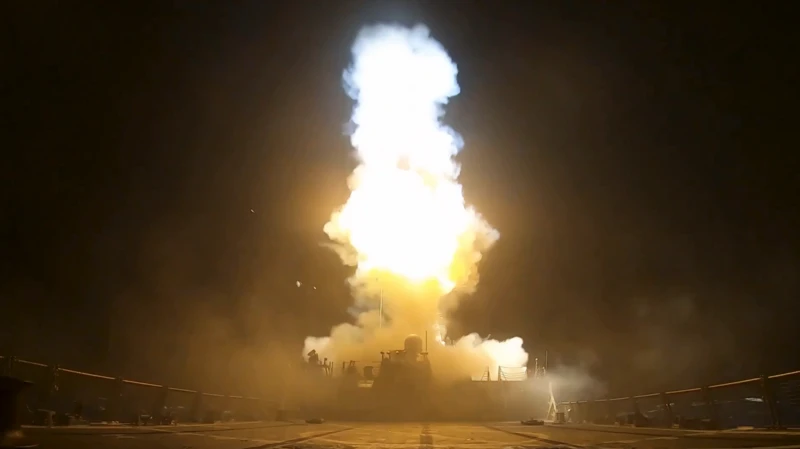
July 12: Tensions between the United States and Iran have intensified after the US military launched a third wave of strikes against Iranian targets, while Iran announced the closure of the Strait of Hormuz and claimed retaliatory attacks on US military facilities across the region.
According to the US Central Command (CENTCOM), nearly 140 Iranian military targets were struck in the latest operation. The strikes were launched in response to an attack on the Cyprus-flagged container ship JFS Galaxy in the Strait of Hormuz. CENTCOM said the targets included missile and drone sites, naval assets, ammunition depots, communication networks, and coastal surveillance facilities. The US military added that more than 300 Iranian targets have been hit over the past week.
In response, Iran’s Islamic Revolutionary Guard Corps (IRGC) announced that the Strait of Hormuz has been closed until further notice, warning that no vessels would be allowed to pass through the strategic waterway.
The IRGC also claimed it had targeted the US Al Udeid Air Base in Qatar, American military facilities in Jordan, and US logistics centers at Duqm Port in Oman. These claims have not been independently verified.
Meanwhile, Qatar and the United Arab Emirates said their air defense systems intercepted Iranian missiles and drones, while Kuwait reported defensive operations against aerial threats and urged residents to follow official safety instructions.
Iranian officials said US strikes hit several locations, including Bushehr, Lorestan, Bandar Abbas, Jask, Sirik, Chabahar, and Asaluyeh, with no immediate reports of casualties in some areas.
US Defense Secretary Pete Hegseth said Iran was “paying the price for its decisions,” while Iranian leaders vowed to continue responding to what they described as US aggression.
The latest developments have significantly raised tensions across the Middle East, with international concern growing over the impact on regional security and global energy supplies.